Understanding Acne and Its Impact
Acne is one of the most common skin conditions worldwide. It affects teenagers and adults alike. Although acne is not dangerous, it often damages confidence and self-esteem. Therefore, understanding its causes and treatments is essential for healthy skin.
Acne develops when hair follicles become clogged with oil, dirt, and dead skin cells. As a result, pimples, blackheads, and cysts appear on the skin. Most cases affect the face, chest, shoulders, and back.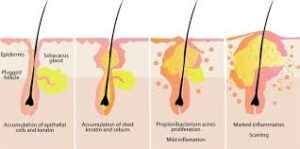
Main Causes of Acne
Hormonal Changes and Acne Breakouts
Hormonal fluctuations are a major cause of acne. During puberty, hormone levels increase oil production significantly. Consequently, pores become blocked more easily.
Women also experience hormonal acne during pregnancy, menstruation, or menopause. In addition, stress triggers hormone changes that worsen breakouts.
Excess Oil Production
Sebaceous glands produce natural oils that protect the skin. However, excessive oil creates the perfect environment for acne-causing bacteria. Therefore, oily skin types often experience more breakouts.
Clogged Pores and Dead Skin Cells
Dead skin cells naturally shed every day. Yet, they sometimes remain trapped inside pores. As a result, blackheads and whiteheads begin to form.
Poor exfoliation also increases clogged pores. Therefore, proper skincare routines are essential for acne prevention.
Bacteria and Skin Inflammation
Bacteria called Cutibacterium acnes live on the skin naturally. However, clogged pores allow bacteria to multiply rapidly. Consequently, redness, swelling, and painful pimples appear.
Inflammation also worsens severe acne conditions. Therefore, early treatment helps reduce skin damage.
Diet and Lifestyle Factors
Certain foods may trigger acne in some individuals. High-sugar foods and dairy products often worsen breakouts. Additionally, unhealthy eating habits increase inflammation throughout the body.
Lack of sleep and stress also contribute to acne development. Therefore, healthy lifestyle choices improve overall skin condition.
Different Types of Acne
Blackheads and Whiteheads
Blackheads develop when clogged pores remain open. In contrast, whiteheads occur when pores close completely. Both types are considered non-inflammatory acne.
Papules and Pustules
Papules are small red bumps without pus. Meanwhile, pustules contain visible white or yellow pus. These acne forms usually indicate bacterial inflammation.
Nodules and Cystic Acne
Nodules form deep beneath the skin surface. Similarly, cystic acne creates painful, swollen lumps filled with pus. These severe forms often leave scars behind.
Best Acne Treatment Options
Use Gentle Cleansers Daily
Washing the face twice daily removes excess oil and dirt effectively. However, harsh scrubbing irritates the skin further. Therefore, use mild cleansers designed for acne-prone skin.
Choose products containing salicylic acid or benzoyl peroxide. These ingredients help unclog pores and reduce bacteria.
Apply Topical Acne Treatments
Topical creams and gels target acne directly. Retinoids increase skin cell turnover and prevent clogged pores. Meanwhile, benzoyl peroxide reduces acne-causing bacteria.
Consistent application delivers the best results. However, avoid overusing products because irritation may occur.
Maintain a Healthy Diet
A balanced diet supports healthy skin naturally. Fresh vegetables, fruits, and lean proteins reduce inflammation. Furthermore, drinking enough water keeps the skin hydrated.
Limit sugary snacks and processed foods whenever possible. Consequently, many people notice fewer breakouts over time.
Reduce Stress Levels
Stress increases hormone production that triggers acne flare-ups. Therefore, relaxation techniques improve both mental health and skin condition.
Exercise, meditation, and quality sleep reduce stress effectively. In addition, regular physical activity improves blood circulation and skin health.
Seek Professional Dermatology Treatments
Severe acne often requires medical treatment. Dermatologists may prescribe antibiotics or stronger retinoids. In some cases, hormonal therapy helps control persistent acne.
Chemical peels and laser treatments also reduce acne scars. Therefore, professional care provides long-term improvement for difficult cases.
Natural Remedies for Acne Control
Tea Tree Oil
Tea tree oil contains antibacterial properties that reduce acne bacteria naturally. However, always dilute it before applying to the skin.
Aloe Vera
Aloe vera soothes irritated skin and reduces redness. Additionally, it supports healing and hydration without clogging pores.
Honey Masks
Honey fights bacteria while calming inflammation. Therefore, honey masks provide gentle support for acne-prone skin.
Tips to Prevent Future Breakouts
Preventing acne requires consistency and healthy habits. Follow these simple steps daily:
- Wash pillowcases regularly.
- Avoid touching the face frequently.
- Remove makeup before sleeping.
- Use non-comedogenic skincare products.
- Protect the skin with sunscreen.
Additionally, avoid squeezing pimples because it increases scarring risks.
When to See a Doctor for Acne
Mild acne often improves with over-the-counter treatments. However, persistent or painful acne needs medical attention. Severe breakouts may cause emotional stress and permanent scars.
Dermatologists provide customized treatment plans for different skin types. Therefore, professional guidance helps achieve faster and safer results.
Conclusion
Acne develops from multiple factors, including hormones, bacteria, clogged pores, and lifestyle habits. Fortunately, effective treatments are widely available today. Proper skincare, healthy nutrition, and stress management improve skin condition significantly.
Consistent care delivers the best long-term results. Therefore, early treatment and healthy habits remain essential for clear, healthy skin.